
Ai Usage Policy Template
Ai Usage Policy Template - The rai institute’s ai policy template helps your organization set a strong foundation for how ai is developed, bought, and used. Get our ai usage policy template to set clear guidelines, prevent legal risks, and safeguard confidential data. Use our ai policy examples to establish best practices in ai compliance. Your employees are using ai—are you protected? Help mitigate those risks by implementing a detailed and comprehensive artificial intelligence (ai) usage policy. This ai tool usage policy template can help you draft an ai tool usage policy to ensure responsible and secure use of artificial intelligence (ai) tools in your organization. With this template, you can: This template covers everything you need to build a bespoke policy and set of. In order to develop an ai policy, you will need to evaluate ai needs and objectives within your nonprofit, establish a governance framework, train employees, monitor the performance of ai. Learn what to include in your ai policy and why it matters, plus grab a free customizable template to get started. In order to develop an ai policy, you will need to evaluate ai needs and objectives within your nonprofit, establish a governance framework, train employees, monitor the performance of ai. Learn what to include in your ai policy and why it matters, plus grab a free customizable template to get started. Help mitigate those risks by implementing a detailed and comprehensive artificial intelligence (ai) usage policy. This template covers everything you need to build a bespoke policy and set of. With this template, you can: This customizable policy template emphasizes security, compliance, and responsible innovation. Create clear guidelines for genai use in the workplace. An ai usage policy is a set of guidelines for a company and its employees that governs how artificial intelligence (ai) technologies can be used. Use our ai policy examples to establish best practices in ai compliance. What is an ai usage policy? This ai tool usage policy template can help you draft an ai tool usage policy to ensure responsible and secure use of artificial intelligence (ai) tools in your organization. In order to develop an ai policy, you will need to evaluate ai needs and objectives within your nonprofit, establish a governance framework, train employees, monitor the performance of ai. This. This customizable policy template emphasizes security, compliance, and responsible innovation. Learn what to include in your ai policy and why it matters, plus grab a free customizable template to get started. Your employees are using ai—are you protected? This template covers everything you need to build a bespoke policy and set of. Help mitigate those risks by implementing a detailed. Help mitigate those risks by implementing a detailed and comprehensive artificial intelligence (ai) usage policy. This template covers everything you need to build a bespoke policy and set of. Download our free ai use policy template and customize it to fit your organization’s needs. Learn what to include in your ai policy and why it matters, plus grab a free. Help mitigate those risks by implementing a detailed and comprehensive artificial intelligence (ai) usage policy. This customizable policy template emphasizes security, compliance, and responsible innovation. Your employees are using ai—are you protected? Download our free ai use policy template and customize it to fit your organization’s needs. Create clear guidelines for genai use in the workplace. Help mitigate those risks by implementing a detailed and comprehensive artificial intelligence (ai) usage policy. Your employees are using ai—are you protected? The rai institute’s ai policy template helps your organization set a strong foundation for how ai is developed, bought, and used. This template covers everything you need to build a bespoke policy and set of. In order to. This template covers everything you need to build a bespoke policy and set of. An ai usage policy is a set of guidelines for a company and its employees that governs how artificial intelligence (ai) technologies can be used. Download our free ai use policy template and customize it to fit your organization’s needs. What is an ai usage policy?. In order to develop an ai policy, you will need to evaluate ai needs and objectives within your nonprofit, establish a governance framework, train employees, monitor the performance of ai. Help mitigate those risks by implementing a detailed and comprehensive artificial intelligence (ai) usage policy. Learn what to include in your ai policy and why it matters, plus grab a. The rai institute’s ai policy template helps your organization set a strong foundation for how ai is developed, bought, and used. Use our ai policy examples to establish best practices in ai compliance. Your employees are using ai—are you protected? Get our ai usage policy template to set clear guidelines, prevent legal risks, and safeguard confidential data. This customizable policy. This ai tool usage policy template can help you draft an ai tool usage policy to ensure responsible and secure use of artificial intelligence (ai) tools in your organization. Help mitigate those risks by implementing a detailed and comprehensive artificial intelligence (ai) usage policy. This customizable policy template emphasizes security, compliance, and responsible innovation. Learn what to include in your. Create clear guidelines for genai use in the workplace. An ai usage policy is a set of guidelines for a company and its employees that governs how artificial intelligence (ai) technologies can be used. This template covers everything you need to build a bespoke policy and set of. What is an ai usage policy? This ai tool usage policy template. This template covers everything you need to build a bespoke policy and set of. Learn what to include in your ai policy and why it matters, plus grab a free customizable template to get started. An ai usage policy is a set of guidelines for a company and its employees that governs how artificial intelligence (ai) technologies can be used. Download our free ai use policy template and customize it to fit your organization’s needs. In order to develop an ai policy, you will need to evaluate ai needs and objectives within your nonprofit, establish a governance framework, train employees, monitor the performance of ai. Create clear guidelines for genai use in the workplace. The rai institute’s ai policy template helps your organization set a strong foundation for how ai is developed, bought, and used. Your employees are using ai—are you protected? This ai tool usage policy template can help you draft an ai tool usage policy to ensure responsible and secure use of artificial intelligence (ai) tools in your organization. Help mitigate those risks by implementing a detailed and comprehensive artificial intelligence (ai) usage policy. Use our ai policy examples to establish best practices in ai compliance. Get our ai usage policy template to set clear guidelines, prevent legal risks, and safeguard confidential data.
aippt/AI的未来.md at main · yxfgit/aippt · GitHub
What is Artificial Intelligence (AI) and Why People Should Learn About

Media Law blog Post 10 The Age of AI

AI technology or artificial intelligence that has a part of

OpenAI GPT3, The Most Powerful Language Model An Overview, 54 OFF

AI in Indonesia The current state and its opportunities
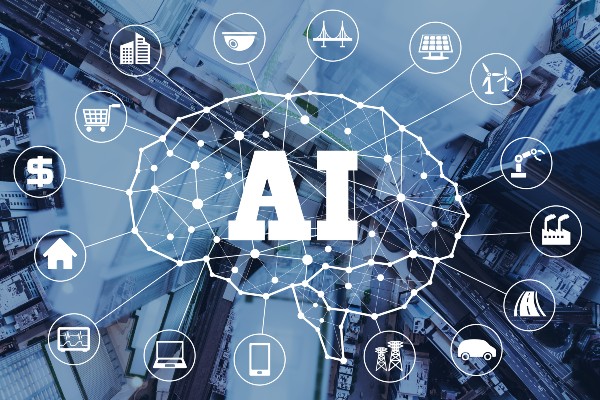
Artificial Intelligence

The Impact of Artificial Intelligence (AI) on Business IT Chronicles
Fatma The Journey into the Future with A.I

EU AI Act Draft guidance for general purpose AIs shows first steps for
With This Template, You Can:
This Customizable Policy Template Emphasizes Security, Compliance, And Responsible Innovation.
What Is An Ai Usage Policy?
Related Post: