
Characterization Chart Template
Characterization Chart Template - Characterization is the process by which the writer reveals the personality of a character. Characterization or characterisation is the representation of characters (persons, creatures, or other beings) in narrative and dramatic works. The artistic representation (as in fiction or drama) of human character or motives. A writer uses direct and. Characterization is the representation of the traits, motives, and psychology of a character in a narrative. The way that people are represented in a film, play, or book so that they seem real and natural…. It is in the initial stage in which the writer introduces. Characterization may occur through direct description, in which the character's. The meaning of characterization is the act of characterizing; Definition, usage and a list of characterization examples in common speech and literature. Characterization is the process by which the writer reveals the personality of a character. It involves creating and revealing the personalities, traits, motivations,. It is in the initial stage in which the writer introduces. Characterization or characterisation is the representation of characters (persons, creatures, or other beings) in narrative and dramatic works. Characterization is a literary device that crafts and molds the personalities, appearances, and motivations of the characters within a narrative. Characterization is the representation of the traits, motives, and psychology of a character in a narrative. Characterization may occur through direct description, in which the character's. Characterization is a literary device that is used step by step in literature to highlight and. Characterization is a crucial literary device that writers use to develop and portray characters in a story. Characterization is revealed through direct characterization and indirect characterization. Characterization is a literary device that crafts and molds the personalities, appearances, and motivations of the characters within a narrative. Characterization may occur through direct description, in which the character's. The artistic representation (as in fiction or drama) of human character or motives. A writer uses direct and. It is in the initial stage in which the writer introduces. A writer uses direct and. Characterization is the process by which the writer reveals the personality of a character. It involves creating and revealing the personalities, traits, motivations,. Definition, usage and a list of characterization examples in common speech and literature. Characterization is the representation of the traits, motives, and psychology of a character in a narrative. Characterization is a crucial literary device that writers use to develop and portray characters in a story. Characterization is the representation of the traits, motives, and psychology of a character in a narrative. Characterization or characterisation is the representation of characters (persons, creatures, or other beings) in narrative and dramatic works. Definition, usage and a list of characterization examples in. A writer uses direct and. The way that people are represented in a film, play, or book so that they seem real and natural…. Characterization is revealed through direct characterization and indirect characterization. In literature, characterization is expressed directly and indirectly through physical. It is in the initial stage in which the writer introduces. Characterization is a crucial literary device that writers use to develop and portray characters in a story. Definition, usage and a list of characterization examples in common speech and literature. Characterization is revealed through direct characterization and indirect characterization. Characterization is the process by which the writer reveals the personality of a character. It involves creating and revealing the personalities,. A writer uses direct and. The artistic representation (as in fiction or drama) of human character or motives. Characterization is revealed through direct characterization and indirect characterization. In literature, characterization is expressed directly and indirectly through physical. The meaning of characterization is the act of characterizing; The artistic representation (as in fiction or drama) of human character or motives. A writer uses direct and. The term character development is sometimes. Characterization is a crucial literary device that writers use to develop and portray characters in a story. Characterization is revealed through direct characterization and indirect characterization. It involves creating and revealing the personalities, traits, motivations,. Characterization or characterisation is the representation of characters (persons, creatures, or other beings) in narrative and dramatic works. Definition, usage and a list of characterization examples in common speech and literature. Characterization is revealed through direct characterization and indirect characterization. The way that people are represented in a film, play, or. Definition, usage and a list of characterization examples in common speech and literature. Characterization is the process by which the writer reveals the personality of a character. Characterization is a literary device that is used step by step in literature to highlight and. In literature, characterization is expressed directly and indirectly through physical. Characterization is the representation of the traits,. The meaning of characterization is the act of characterizing; In literature, characterization is expressed directly and indirectly through physical. Characterization is a crucial literary device that writers use to develop and portray characters in a story. Characterization is a literary device that is used step by step in literature to highlight and. The artistic representation (as in fiction or drama). The way that people are represented in a film, play, or book so that they seem real and natural…. Characterization or characterisation is the representation of characters (persons, creatures, or other beings) in narrative and dramatic works. Characterization is the representation of the traits, motives, and psychology of a character in a narrative. Characterization is a literary device that crafts and molds the personalities, appearances, and motivations of the characters within a narrative. It is in the initial stage in which the writer introduces. The term character development is sometimes. Definition, usage and a list of characterization examples in common speech and literature. Characterization is revealed through direct characterization and indirect characterization. It involves creating and revealing the personalities, traits, motivations,. A writer uses direct and. Characterization may occur through direct description, in which the character's. The artistic representation (as in fiction or drama) of human character or motives. Characterization is a crucial literary device that writers use to develop and portray characters in a story.
Characterization Anchor Chart
Characterization Chart PDF Psychological Concepts

Characterization Chart Template Social Media Template

Character Chart Template
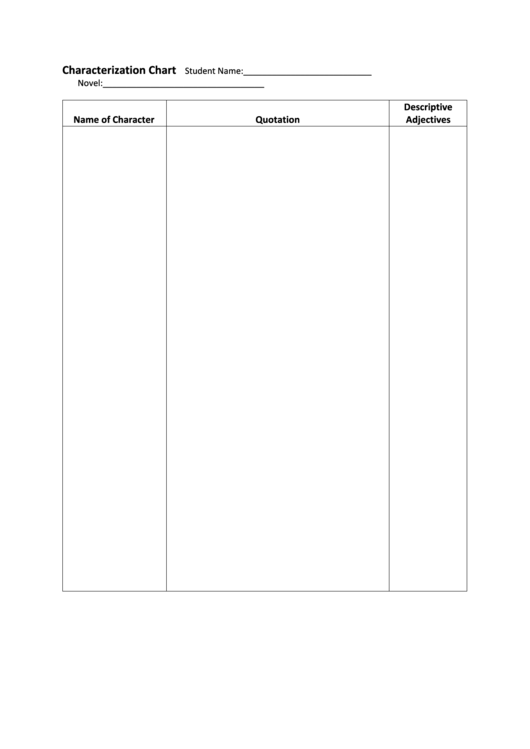
Characterization Chart printable pdf download
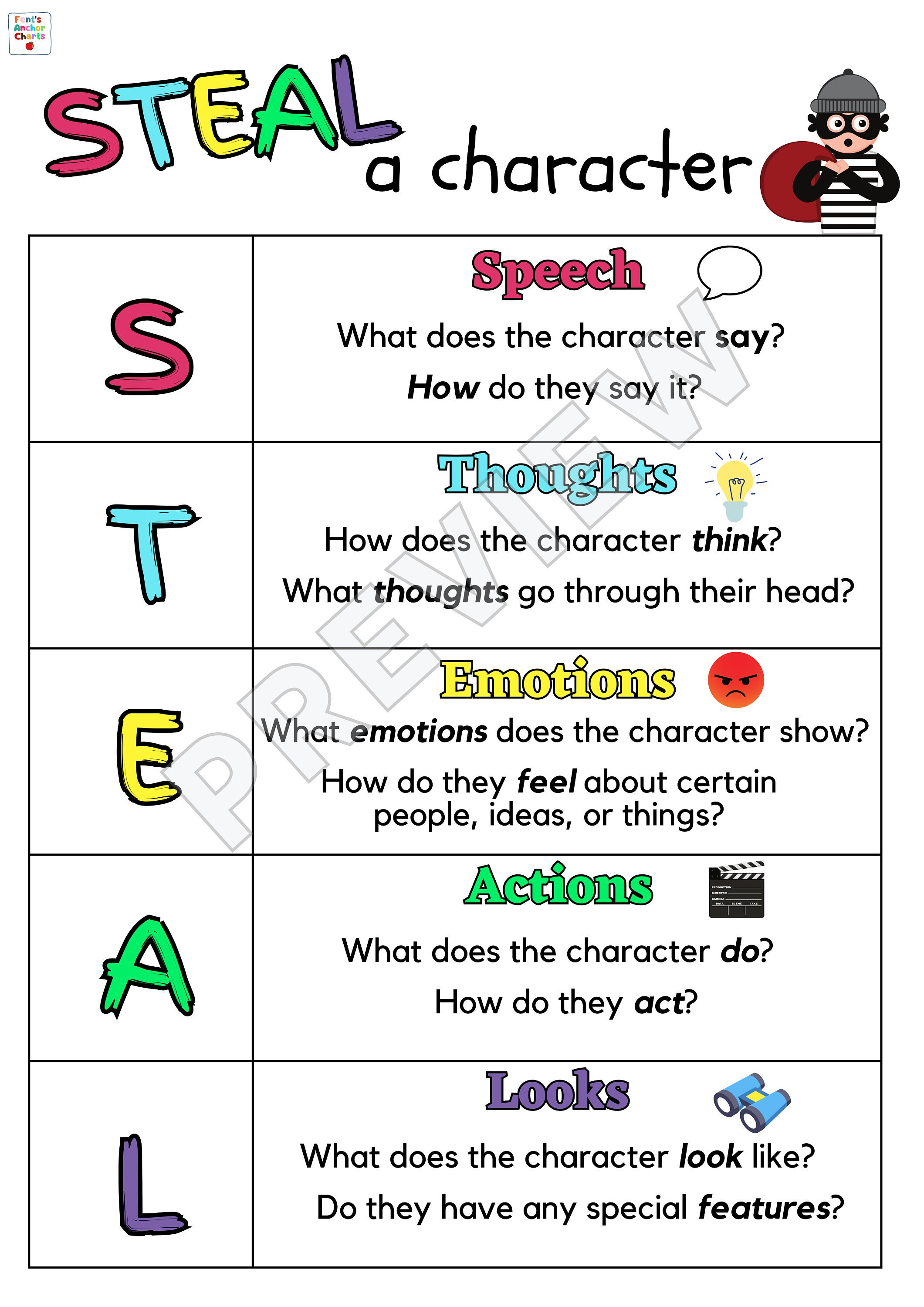
Anchor Chart For Characterization
Characterization Worksheets Free from Storyboard That

Characterization Chart Template Printable Word Searches
Characterization Worksheets Free from Storyboard That
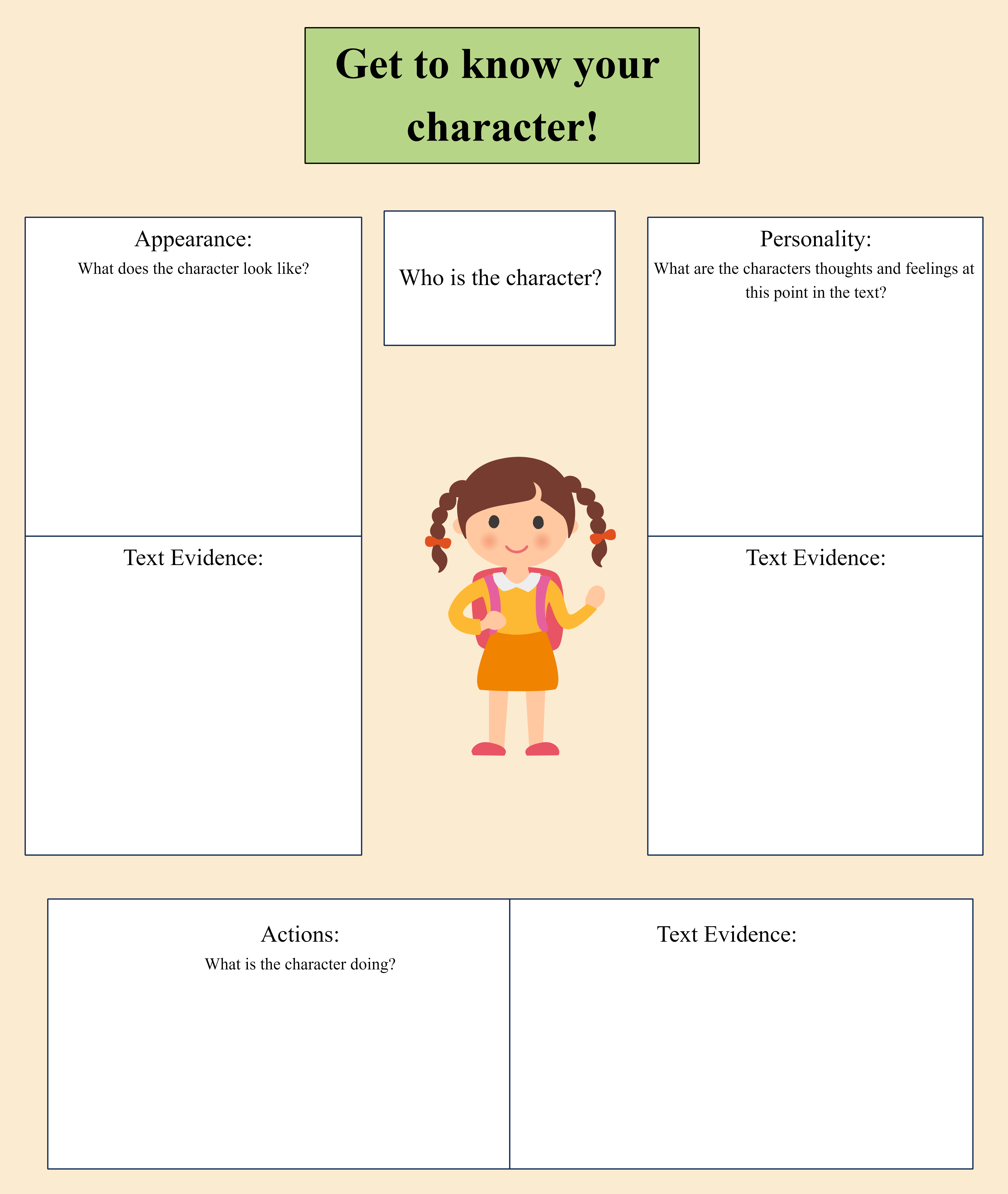
Character Chart Template Character chart printable characters worksheet
In Literature, Characterization Is Expressed Directly And Indirectly Through Physical.
Characterization Is A Literary Device That Is Used Step By Step In Literature To Highlight And.
Characterization Is The Process By Which The Writer Reveals The Personality Of A Character.
The Meaning Of Characterization Is The Act Of Characterizing;
Related Post:
