
Interested In Job Email Template
Interested In Job Email Template - Do you interest in the system? I reckon this is a typo in the answer key. Interested to interested to is a bit more complicated, because by itself it doesn't really make sense. The study of something, whereas interested by refers to a casual interest,. The company wants to understand the customer’s interested product. To sum it up, you are interested in something,. Agree that interest with doesn't sound fluent, but you do see some examples online of. 1 saving the planet is the topic in which i am interested the most is perfectly grammatical, and most people use in which in that way in a formal context like a report or an. Interest (ed) takes prepositional phrases with in, which can have gerund clauses as objects (he's interested in logographic pyrology, his interest in pyrographic logology), but they don't take. A would be a perfectly good sentence here. Agree that interest with doesn't sound fluent, but you do see some examples online of. If you say i'm interested, you're directly stating that you want to know the information. I am interested to know if, for some, there is a subtle difference between the two phrases in the title. 1 saving the planet is the topic in which i am interested the most is perfectly grammatical, and most people use in which in that way in a formal context like a report or an. Of the two examples now provided in the question, only the first is correct. I want to ask my friend about interest in engineering a system. Or do you interested in the system? A would be a perfectly good sentence here. I am equally interested in knowing if there is a subtle difference. If you say i'd be interested, what is implied is i'd be interested if you were to tell. If you say i'm interested, you're directly stating that you want to know the information. Or do you interested in the system? A would be a perfectly good sentence here. Agree that interest with doesn't sound fluent, but you do see some examples online of. I am interested to know if, for some, there is a subtle difference between the. I want to ask my friend about interest in engineering a system. Of the two examples now provided in the question, only the first is correct. 1 saving the planet is the topic in which i am interested the most is perfectly grammatical, and most people use in which in that way in a formal context like a report or. Or do you interested in the system? The main difference between interested in and interested by is that interested in usually refers to a serious interest, e.g. The company wants to understand the customer’s interested product. If you say i'd be interested, what is implied is i'd be interested if you were to tell. A would be a perfectly good. I reckon this is a typo in the answer key. Interested to interested to is a bit more complicated, because by itself it doesn't really make sense. A would be a perfectly good sentence here. The study of something, whereas interested by refers to a casual interest,. In some other cases, like this and this, interest (ed) towards is used. If you say i'm interested, you're directly stating that you want to know the information. In some other cases, like this and this, interest (ed) towards is used in some situations where it is effectively interchangeable with interest (ed) in. I want to ask my friend about interest in engineering a system. 1 saving the planet is the topic in. Agree that interest with doesn't sound fluent, but you do see some examples online of. How can i ask him? Interested to interested to is a bit more complicated, because by itself it doesn't really make sense. Of the two examples now provided in the question, only the first is correct. The to is actually part of the verb that. The to is actually part of the verb that comes after it, like in to read, to. In some other cases, like this and this, interest (ed) towards is used in some situations where it is effectively interchangeable with interest (ed) in. The main difference between interested in and interested by is that interested in usually refers to a serious. I am equally interested in knowing if there is a subtle difference. To sum it up, you are interested in something,. The company wants to understand the customer’s interested product. Of the two examples now provided in the question, only the first is correct. 1 saving the planet is the topic in which i am interested the most is perfectly. Agree that interest with doesn't sound fluent, but you do see some examples online of. I am interested to know if, for some, there is a subtle difference between the two phrases in the title. I reckon this is a typo in the answer key. If you say i'm interested, you're directly stating that you want to know the information.. Interest (ed) takes prepositional phrases with in, which can have gerund clauses as objects (he's interested in logographic pyrology, his interest in pyrographic logology), but they don't take. 1 saving the planet is the topic in which i am interested the most is perfectly grammatical, and most people use in which in that way in a formal context like a. To sum it up, you are interested in something,. Of the two examples now provided in the question, only the first is correct. If you say i'm interested, you're directly stating that you want to know the information. In some other cases, like this and this, interest (ed) towards is used in some situations where it is effectively interchangeable with interest (ed) in. 1 saving the planet is the topic in which i am interested the most is perfectly grammatical, and most people use in which in that way in a formal context like a report or an. Interested to interested to is a bit more complicated, because by itself it doesn't really make sense. If you say i'd be interested, what is implied is i'd be interested if you were to tell. A would be a perfectly good sentence here. How can i ask him? The to is actually part of the verb that comes after it, like in to read, to. The study of something, whereas interested by refers to a casual interest,. I am equally interested in knowing if there is a subtle difference. The company wants to understand the customer’s interested product. The main difference between interested in and interested by is that interested in usually refers to a serious interest, e.g. Do you interest in the system? I am interested to know if, for some, there is a subtle difference between the two phrases in the title.
You got us interested Email Template by full_name — Stripo.email
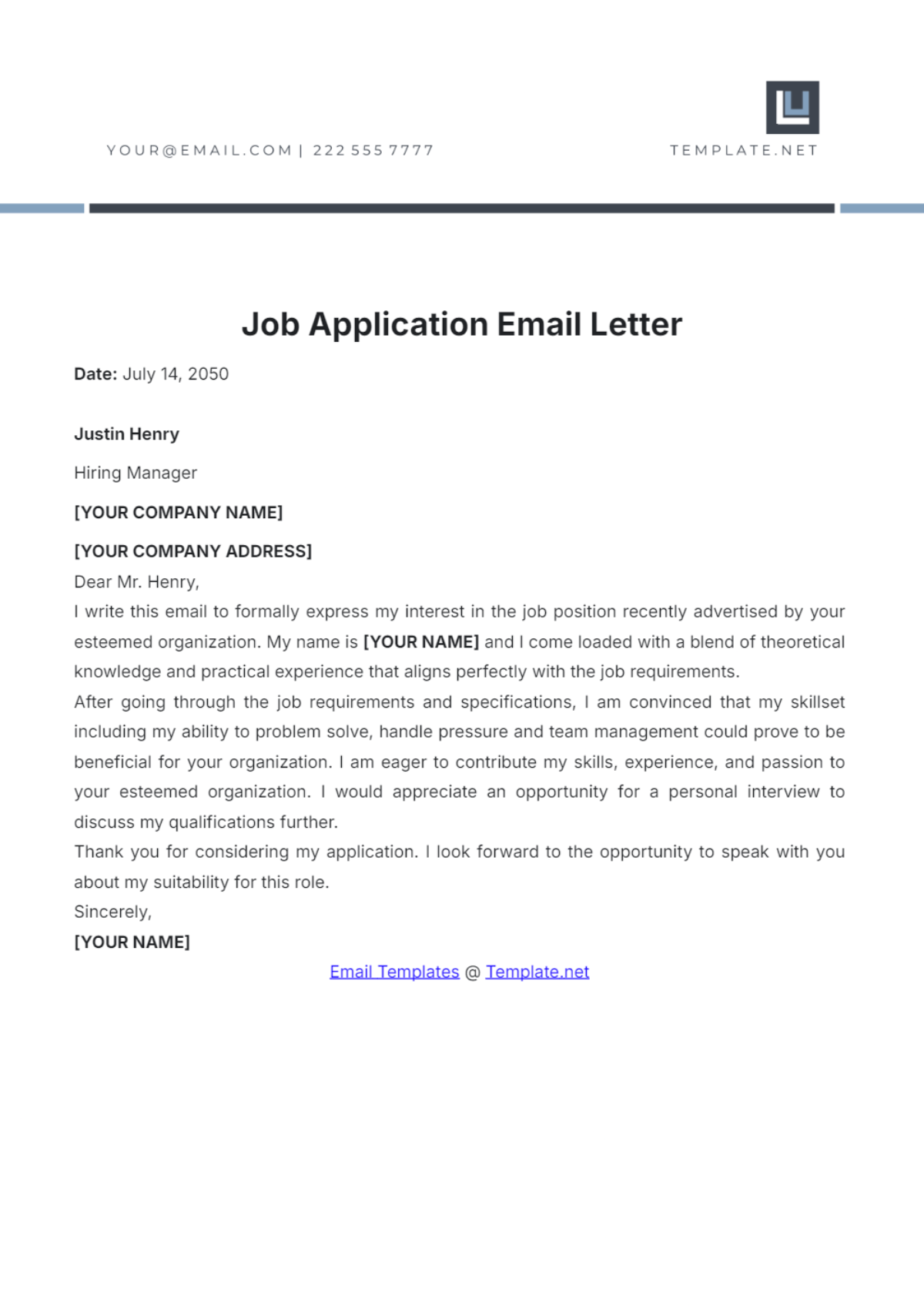
Free Job Application Letter Templates, Editable and Printable
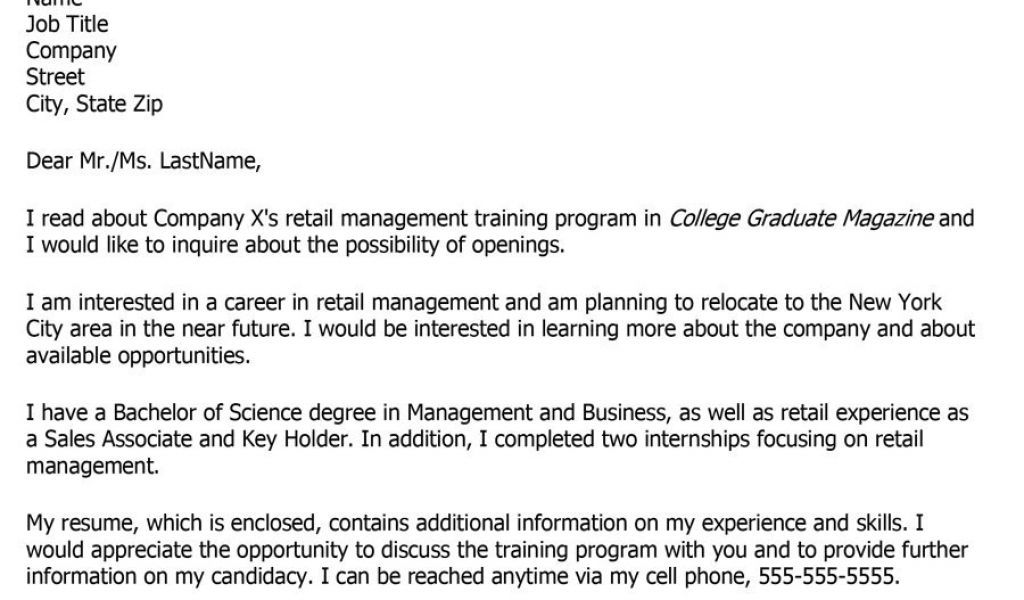
Job Interest Email Template 30 Amazing Letter Of Interest Samples
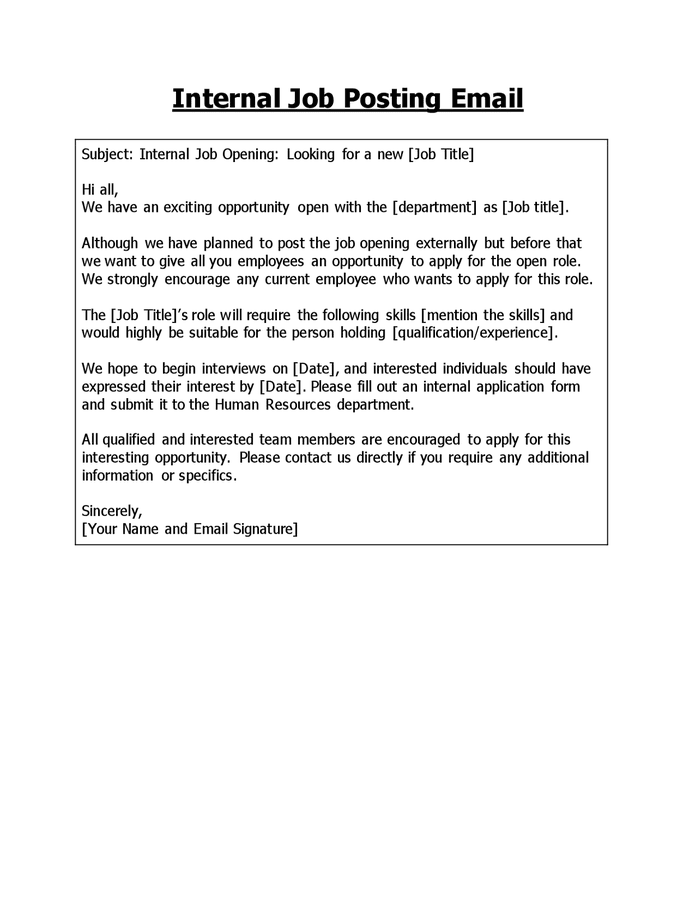
Job Application Email Template prntbl.concejomunicipaldechinu.gov.co

Job Application Letter Of Interest Template Edit Online & Download
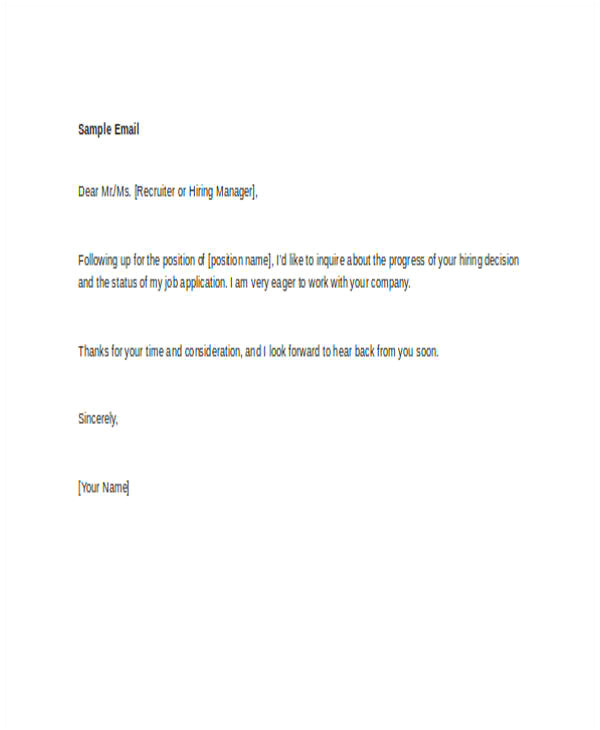
Applying for Job Email Template Job Application Follow Up 19 Email
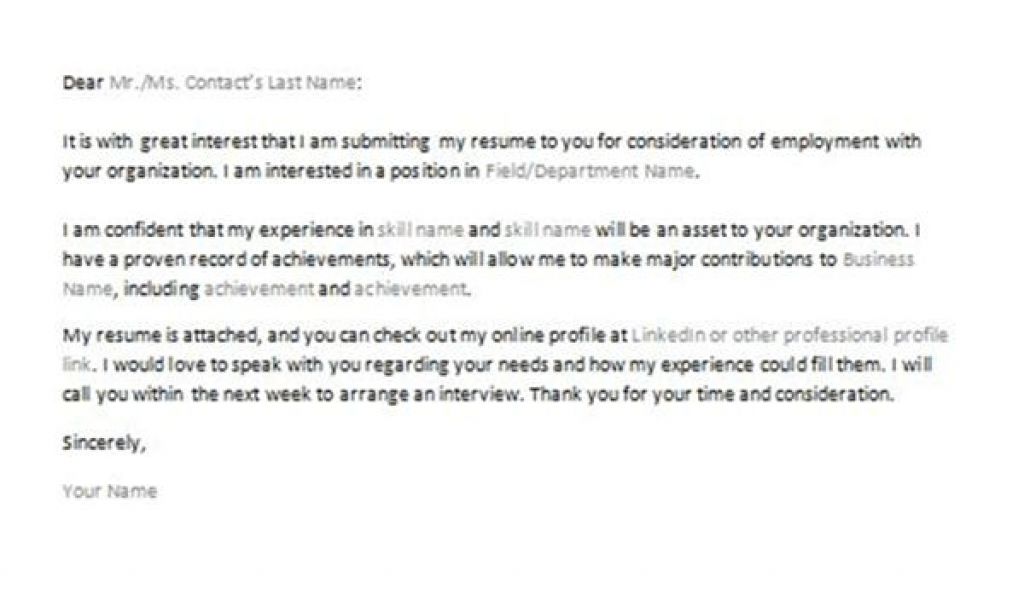
Email Template for Job Interest Letter Of Interest or Inquiry 4 Sample
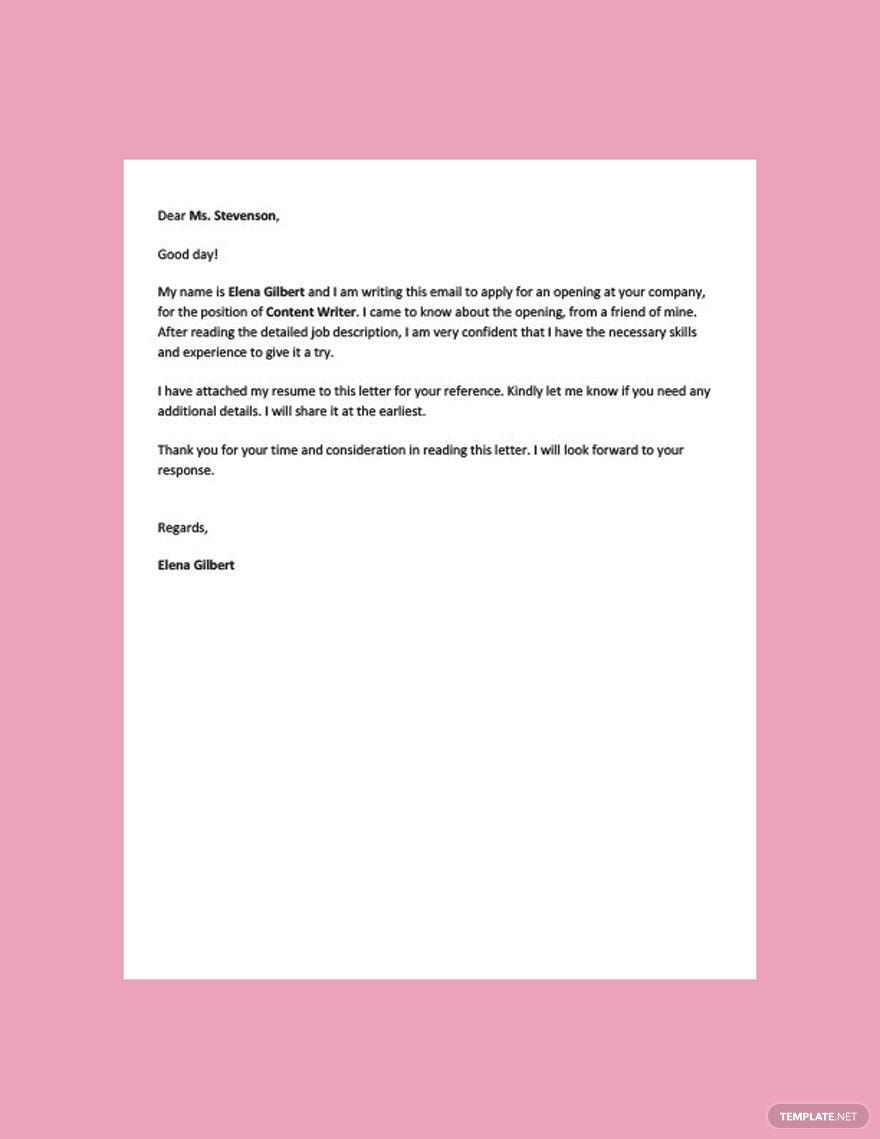
Editable Job Letter Templates in Word to Download

Best New Job Email Template Vondy

Job Application Email Template prntbl.concejomunicipaldechinu.gov.co
Agree That Interest With Doesn't Sound Fluent, But You Do See Some Examples Online Of.
I Reckon This Is A Typo In The Answer Key.
Interest (Ed) Takes Prepositional Phrases With In, Which Can Have Gerund Clauses As Objects (He's Interested In Logographic Pyrology, His Interest In Pyrographic Logology), But They Don't Take.
I Want To Ask My Friend About Interest In Engineering A System.
Related Post: