
Ng Template
Ng Template - This is a complete guide to angular templates: In this blog post, we will. Ideal for beginners and experts alike. With , you can define template content that is only being rendered by angular when you, whether directly or indirectly, specifically instruct it to do so, allowing you to have full. The element allows you to define a template that can be rendered programmatically when used with structural directives like ngif, ngfor, [ngswitch], or a custom. We also learn how it works and how angular makes use of them in various directives like ngif, ngfor & ngswitch. With , you can define template content that is only being rendered by angular when you, whether directly or indirectly, specifically instruct it to do so, allowing you to have full. With , you can define template content that is only being rendered by angular when you, whether directly or indirectly, specifically instruct it to do so, allowing you to have full. The element allows you to define a template that can be rendered programmatically when used with structural directives like ngif, ngfor, [ngswitch], or a custom. We also learn how it works and how angular makes use of them in various directives like ngif, ngfor & ngswitch. With , you can define template content that is only being rendered by angular when you, whether directly or indirectly, specifically instruct it to do so, allowing you to have full. This is a complete guide to angular templates: In this blog post, we will. Ideal for beginners and experts alike. This is a complete guide to angular templates: The element allows you to define a template that can be rendered programmatically when used with structural directives like ngif, ngfor, [ngswitch], or a custom. In this blog post, we will. Ideal for beginners and experts alike. With , you can define template content that is only being rendered by angular when. With , you can define template content that is only being rendered by angular when you, whether directly or indirectly, specifically instruct it to do so, allowing you to have full. The element allows you to define a template that can be rendered programmatically when used with structural directives like ngif, ngfor, [ngswitch], or a custom. We also learn how. This is a complete guide to angular templates: With , you can define template content that is only being rendered by angular when you, whether directly or indirectly, specifically instruct it to do so, allowing you to have full. The element allows you to define a template that can be rendered programmatically when used with structural directives like ngif, ngfor,. The element allows you to define a template that can be rendered programmatically when used with structural directives like ngif, ngfor, [ngswitch], or a custom. Ideal for beginners and experts alike. This is a complete guide to angular templates: With , you can define template content that is only being rendered by angular when you, whether directly or indirectly, specifically. The element allows you to define a template that can be rendered programmatically when used with structural directives like ngif, ngfor, [ngswitch], or a custom. This is a complete guide to angular templates: In this blog post, we will. We also learn how it works and how angular makes use of them in various directives like ngif, ngfor & ngswitch.. With , you can define template content that is only being rendered by angular when you, whether directly or indirectly, specifically instruct it to do so, allowing you to have full. We also learn how it works and how angular makes use of them in various directives like ngif, ngfor & ngswitch. In this blog post, we will. This is. With , you can define template content that is only being rendered by angular when you, whether directly or indirectly, specifically instruct it to do so, allowing you to have full. With , you can define template content that is only being rendered by angular when you, whether directly or indirectly, specifically instruct it to do so, allowing you to. We also learn how it works and how angular makes use of them in various directives like ngif, ngfor & ngswitch. The element allows you to define a template that can be rendered programmatically when used with structural directives like ngif, ngfor, [ngswitch], or a custom. In this blog post, we will. With , you can define template content that. Ideal for beginners and experts alike. The element allows you to define a template that can be rendered programmatically when used with structural directives like ngif, ngfor, [ngswitch], or a custom. This is a complete guide to angular templates: We also learn how it works and how angular makes use of them in various directives like ngif, ngfor & ngswitch.. With , you can define template content that is only being rendered by angular when you, whether directly or indirectly, specifically instruct it to do so, allowing you to have full. This is a complete guide to angular templates: Ideal for beginners and experts alike. With , you can define template content that is only being rendered by angular when. With , you can define template content that is only being rendered by angular when you, whether directly or indirectly, specifically instruct it to do so, allowing you to have full. In this blog post, we will. Ideal for beginners and experts alike. The element allows you to define a template that can be rendered programmatically when used with structural directives like ngif, ngfor, [ngswitch], or a custom. This is a complete guide to angular templates:
ngtemplate, ngcontainer, ngTemplateOutlet Exploring Templates in Angular

Angular Ng Template Ng Container And Ngtemplateoutlet Get What You
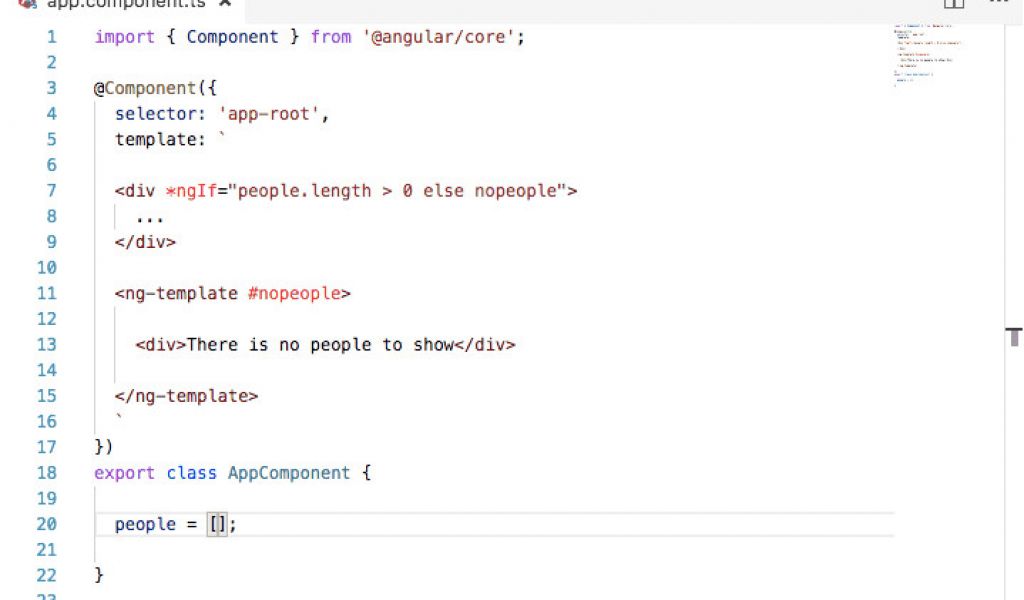
Ng Include Ng Template Angular Templates Las Directivas Ng Template Ng
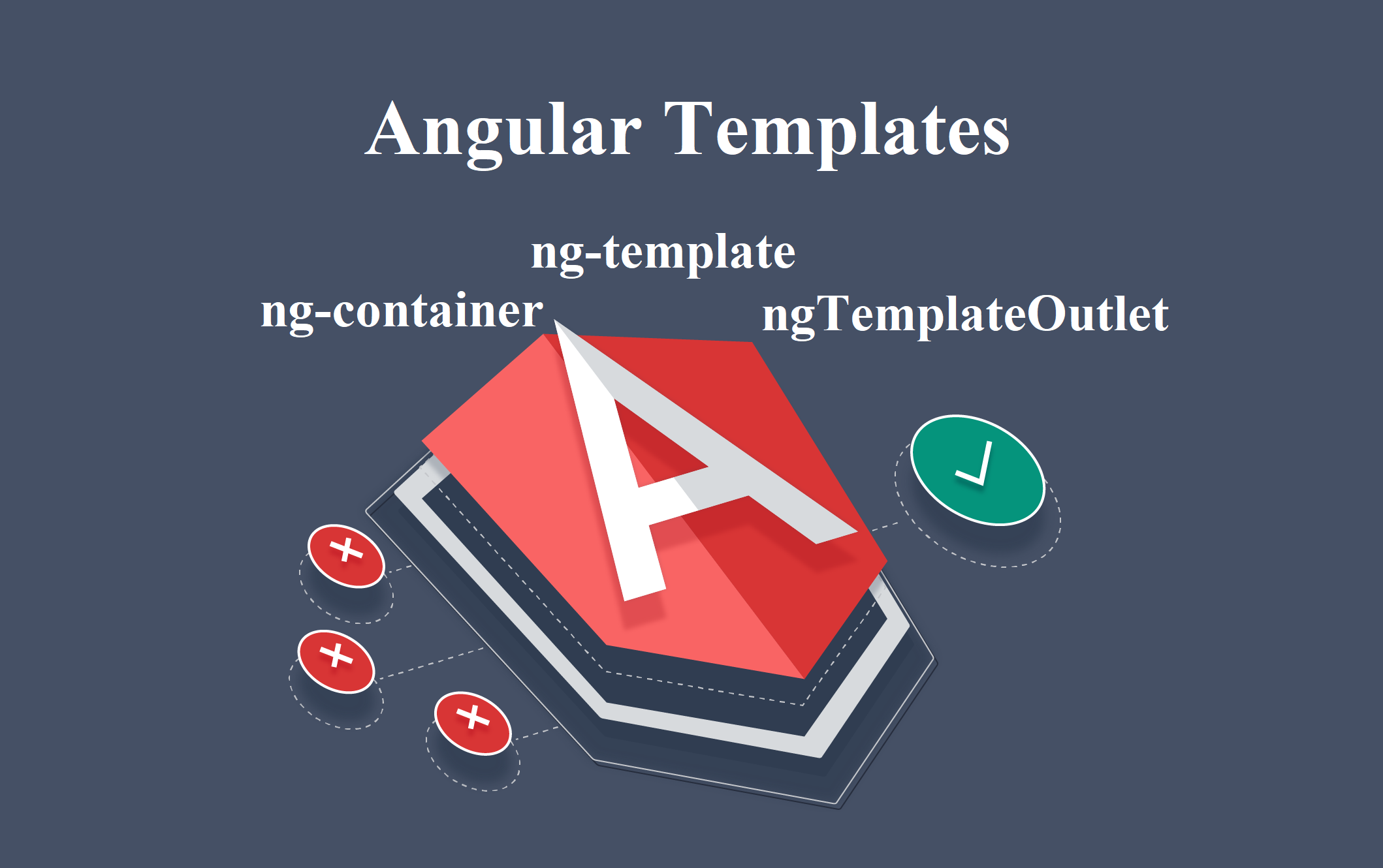
Angular Ng Template Ng Container And Ngtemplateoutlet Get What You Need
Ngcontainer and ngtemplate (forked) StackBlitz

Angular's ngcontainer and ngtemplate Web Development

Angular Ng Template Ng Container And Ngtemplateoutlet Get What You Need
GitHub nirajprakash/ngtemplateusecase Examples of ngtemplate use

ngcontent ngtemplate
Ng Template Implementation StackBlitz
With , You Can Define Template Content That Is Only Being Rendered By Angular When You, Whether Directly Or Indirectly, Specifically Instruct It To Do So, Allowing You To Have Full.
We Also Learn How It Works And How Angular Makes Use Of Them In Various Directives Like Ngif, Ngfor & Ngswitch.
Related Post: