
To Whom It May Concern Letter Template
To Whom It May Concern Letter Template - In this article, we’ll go over the rules for using “who” and “whom” correctly in your writing. Who is used as the subject of a sentence, while whom is used as the object of. The main difference between who and whom is that who should refer to the subject of a sentence or clause, while whom is meant to refer to the object of a preposition or. See examples of whom used in a sentence. “whom” is an object pronoun, equivalent to “her,” “him,” or “they,” while “who” is a subject pronoun, equivalent to “she,” “he,” or “they.” Use this they/them method to decide whether who or whom is correct. What’s the difference between who and whom? They serve as a nominative case (who) or an objective case (whom) within the sentence structure. Who is the subject of a sentence or clause (who is performing the action), whereas whom is the object of a verb or preposition. They are the ones who sent me the gift), and whom refers to someone receiving the action of a verb (i'd like to thank the gift. Who is used as the subject of a sentence, while whom is used as the object of. In this article, we’ll go over the rules for using “who” and “whom” correctly in your writing. Who is the subject of a sentence or clause (who is performing the action), whereas whom is the object of a verb or preposition. Use who and whom as a pronoun to indicate a subject or object group question. They are the ones who sent me the gift), and whom refers to someone receiving the action of a verb (i'd like to thank the gift. But fear not, we’re here to help clear up any confusion you may have. What’s the difference between who and whom? Who and whom are pronouns that are used to refer to people, but they are used in different ways. “whom” is an object pronoun, equivalent to “her,” “him,” or “they,” while “who” is a subject pronoun, equivalent to “she,” “he,” or “they.” Use this they/them method to decide whether who or whom is correct. They serve as a nominative case (who) or an objective case (whom) within the sentence structure. See examples of whom used in a sentence. “whom” is an object pronoun, equivalent to “her,” “him,” or “they,” while “who” is a subject pronoun, equivalent to “she,” “he,” or “they.” What’s the difference between who and whom? The objective case of who. They serve as a nominative case (who) or an objective case (whom) within the sentence structure. Who refers to someone performing the action of a verb (e.g. Use this they/them method to decide whether who or whom is correct. In this article, we’ll go over the rules for using “who” and “whom” correctly in your writing. But fear not, we’re. The objective case of who. Who and whom are pronouns that are used to refer to people, but they are used in different ways. Use this they/them method to decide whether who or whom is correct. They are the ones who sent me the gift), and whom refers to someone receiving the action of a verb (i'd like to thank. Who refers to someone performing the action of a verb (e.g. See examples of whom used in a sentence. The objective case of who. In this article, we’ll go over the rules for using “who” and “whom” correctly in your writing. Use this they/them method to decide whether who or whom is correct. The objective case of who. See examples of whom used in a sentence. Use who and whom as a pronoun to indicate a subject or object group question. Who is the subject of a sentence or clause (who is performing the action), whereas whom is the object of a verb or preposition. Who is used as the subject of a. Who refers to someone performing the action of a verb (e.g. But fear not, we’re here to help clear up any confusion you may have. See examples of whom used in a sentence. In this article, we’ll go over the rules for using “who” and “whom” correctly in your writing. Who is used as the subject of a sentence, while. Who is the subject of a sentence or clause (who is performing the action), whereas whom is the object of a verb or preposition. The main difference between who and whom is that who should refer to the subject of a sentence or clause, while whom is meant to refer to the object of a preposition or. See examples of. Who is used as the subject of a sentence, while whom is used as the object of. See examples of whom used in a sentence. The main difference between who and whom is that who should refer to the subject of a sentence or clause, while whom is meant to refer to the object of a preposition or. In this. Who is the subject of a sentence or clause (who is performing the action), whereas whom is the object of a verb or preposition. Use this they/them method to decide whether who or whom is correct. Who refers to someone performing the action of a verb (e.g. Who and whom are pronouns that are used to refer to people, but. Who refers to someone performing the action of a verb (e.g. See examples of whom used in a sentence. Use who and whom as a pronoun to indicate a subject or object group question. They are the ones who sent me the gift), and whom refers to someone receiving the action of a verb (i'd like to thank the gift.. Who refers to someone performing the action of a verb (e.g. The objective case of who. What’s the difference between who and whom? They are the ones who sent me the gift), and whom refers to someone receiving the action of a verb (i'd like to thank the gift. Use who and whom as a pronoun to indicate a subject or object group question. In this article, we’ll go over the rules for using “who” and “whom” correctly in your writing. Who is the subject of a sentence or clause (who is performing the action), whereas whom is the object of a verb or preposition. Use this they/them method to decide whether who or whom is correct. Who and whom are pronouns that are used to refer to people, but they are used in different ways. See examples of whom used in a sentence. Who is used as the subject of a sentence, while whom is used as the object of. The main difference between who and whom is that who should refer to the subject of a sentence or clause, while whom is meant to refer to the object of a preposition or.
To Whom It May Concern Letter Template
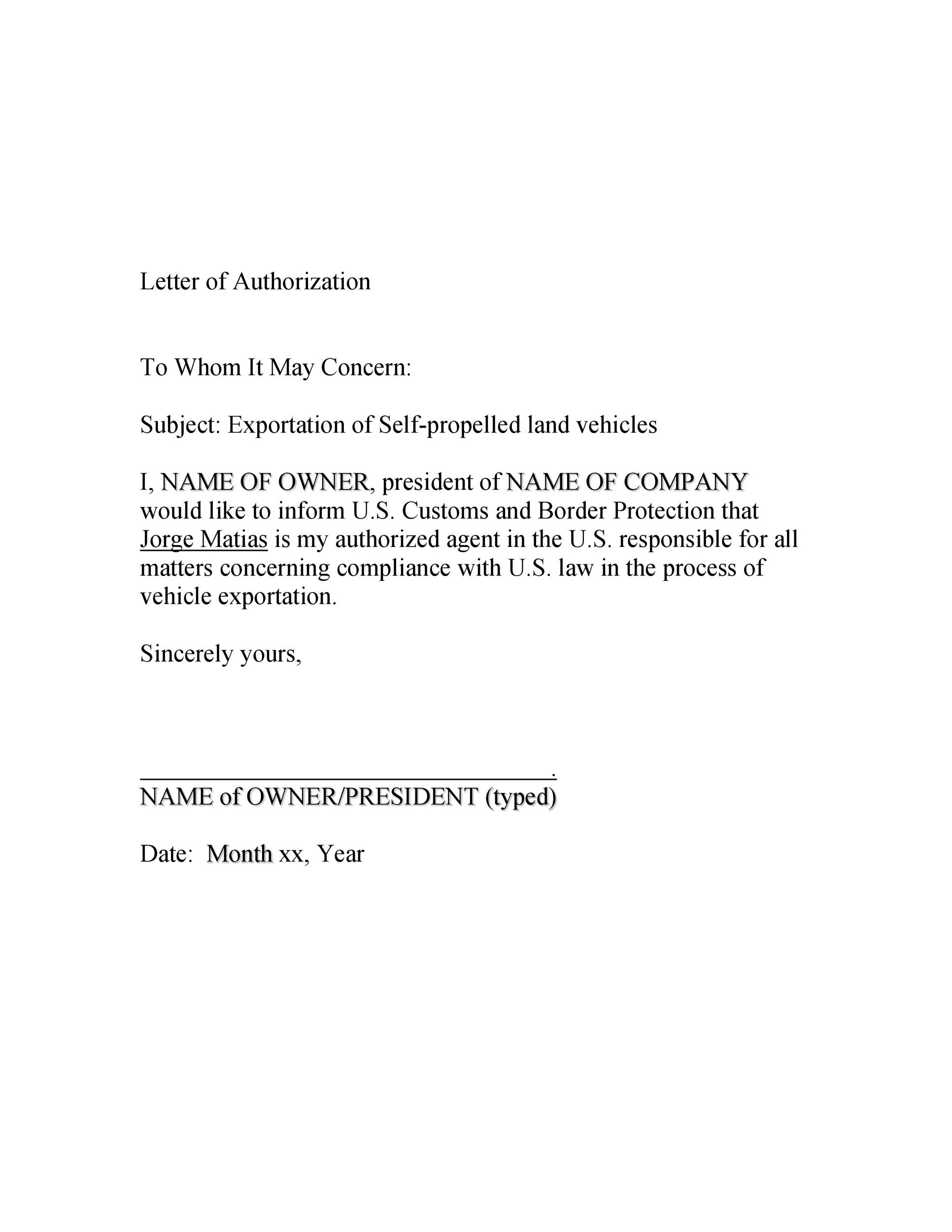
How To Write To Whom It May Concern Letter Template

Concern Letter Template

To whom it may concern cover letter wihohpa
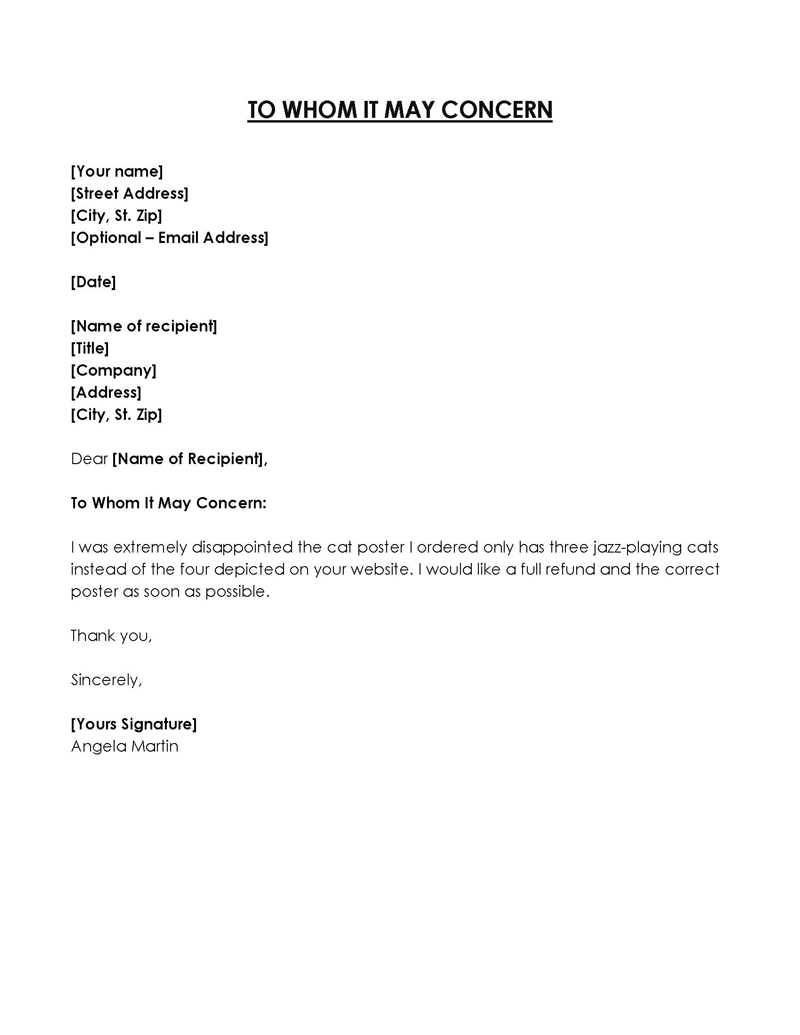
How To Use "To Whom It May Concern" in Letters (Examples)
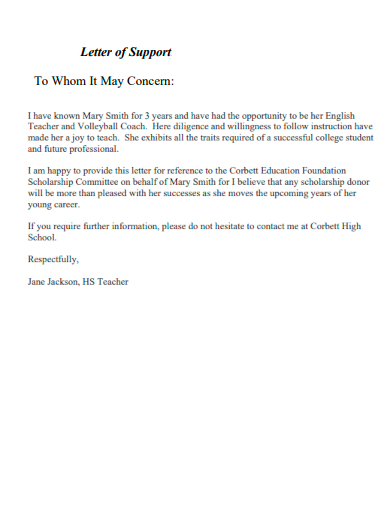
26+ To Whom it May Concern Letter Format Examples, PDF, DOCS Examples
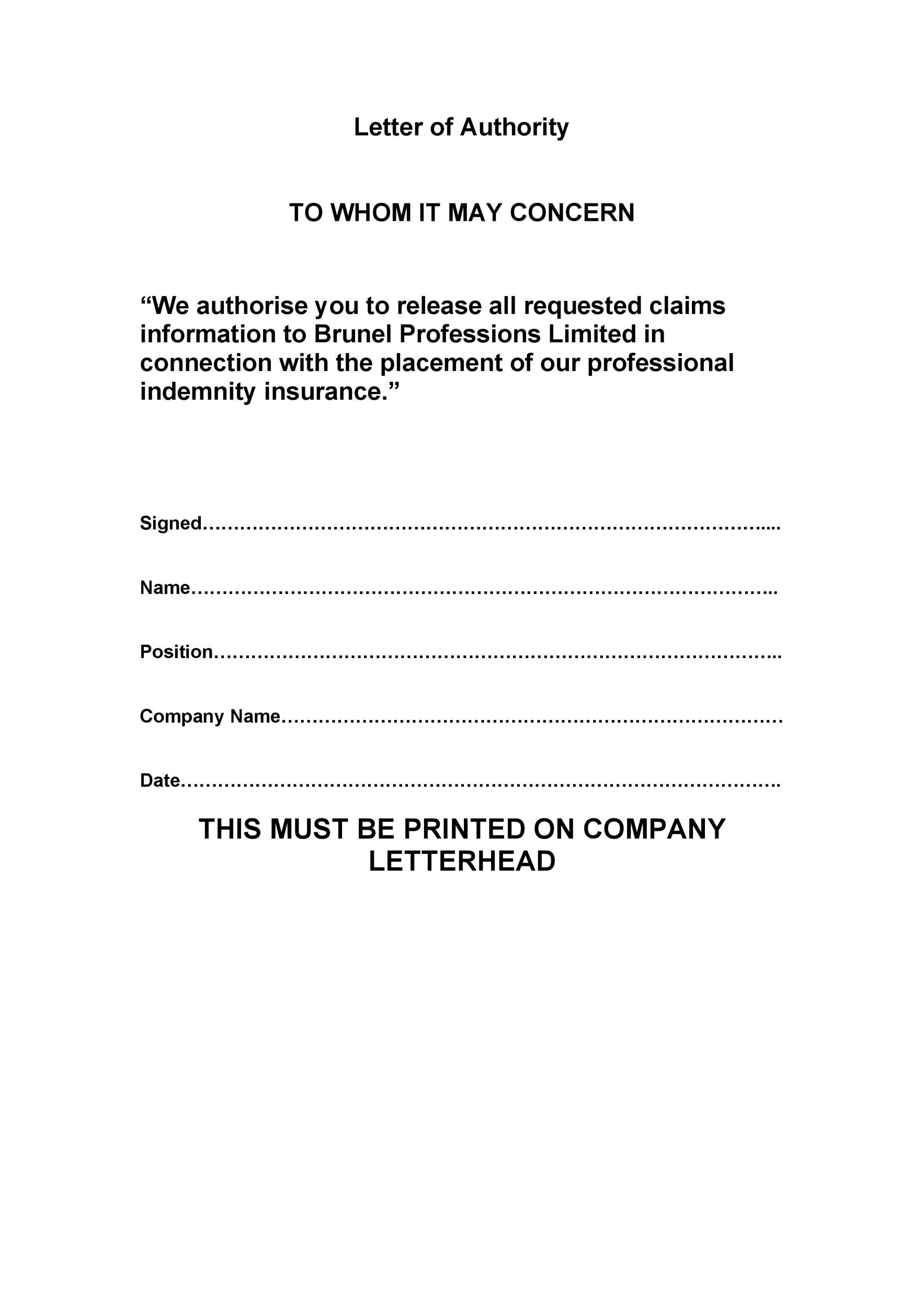
How To Write To Whom It May Concern Letter Template
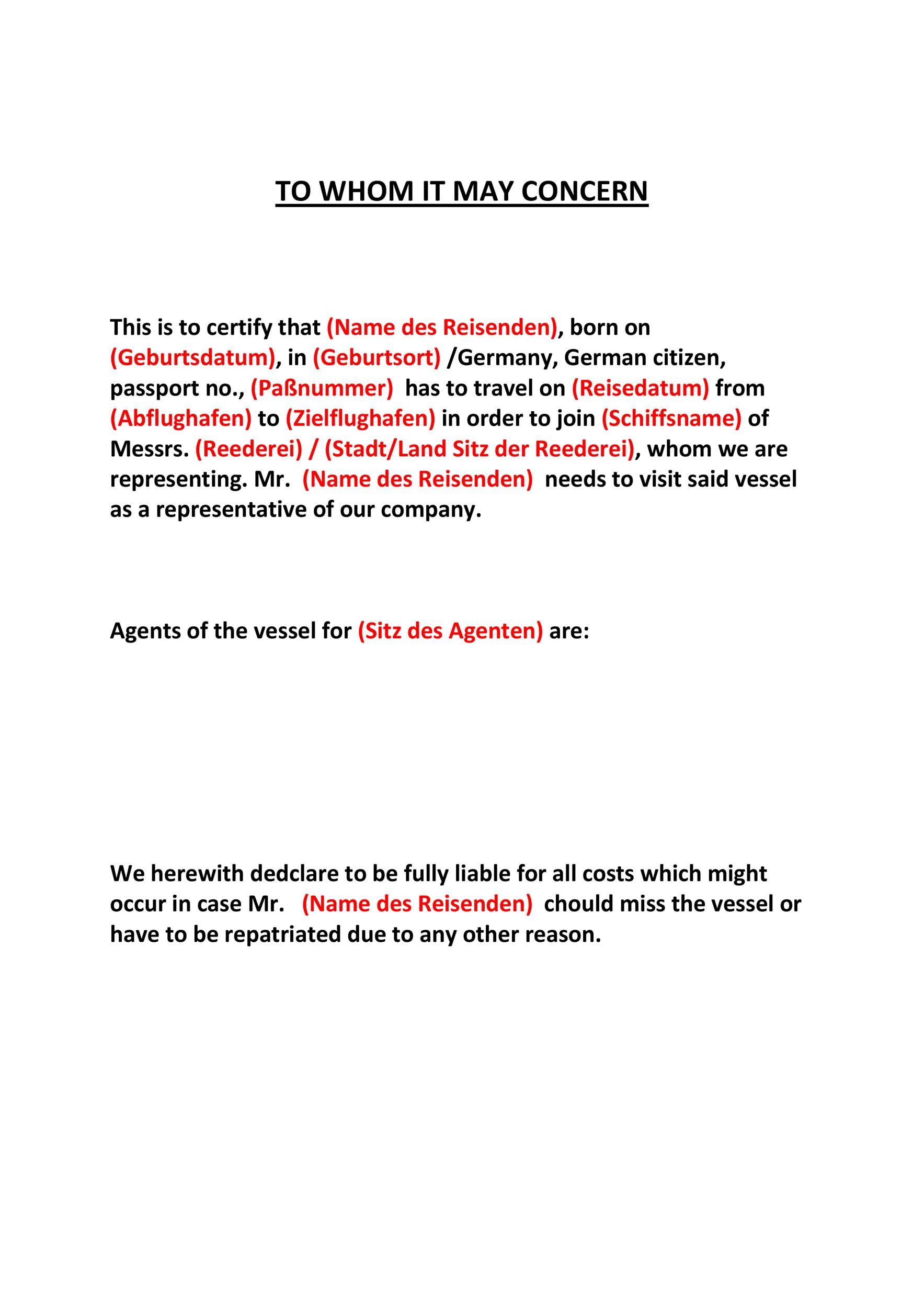
Template Letter To Whom It May Concern
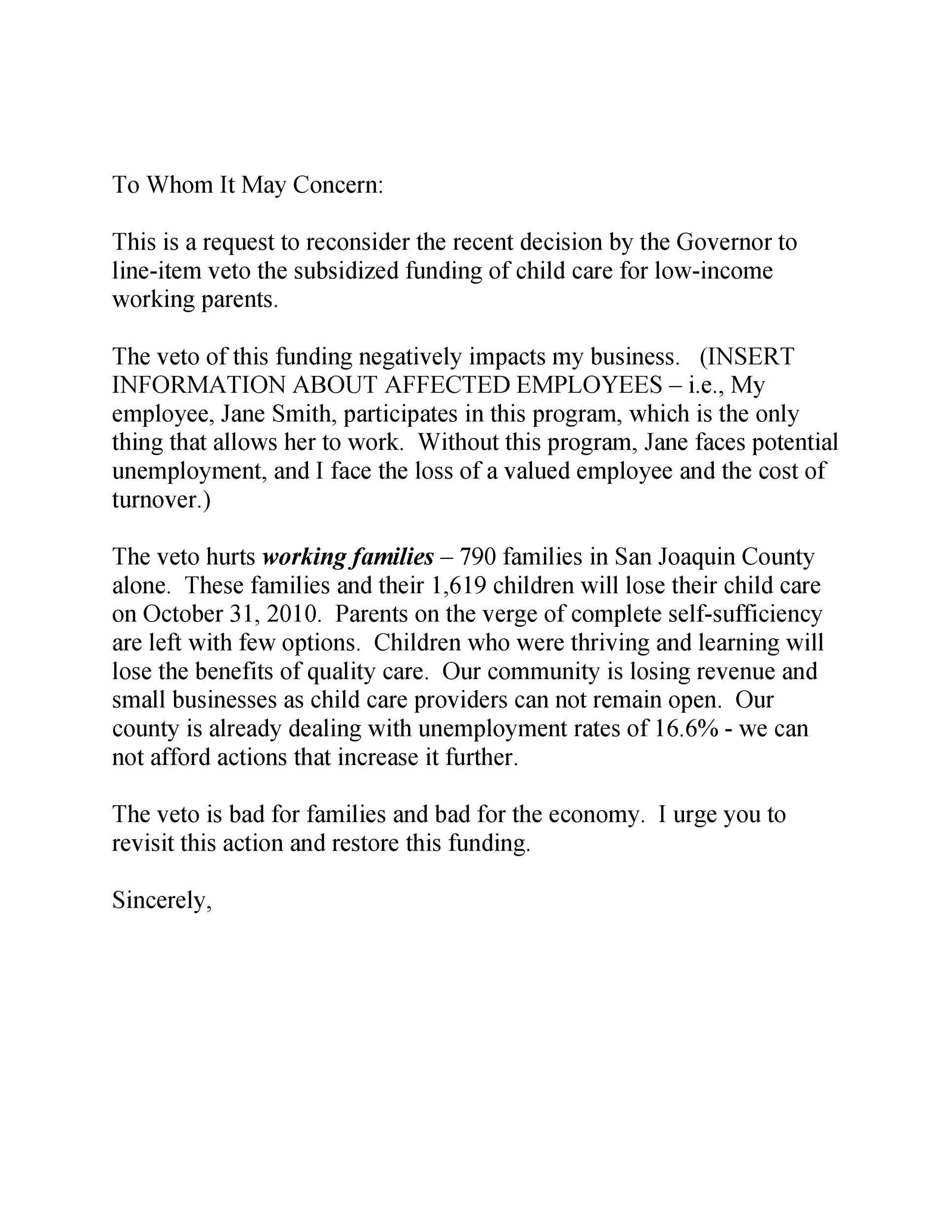
To Whom It May Concern Template
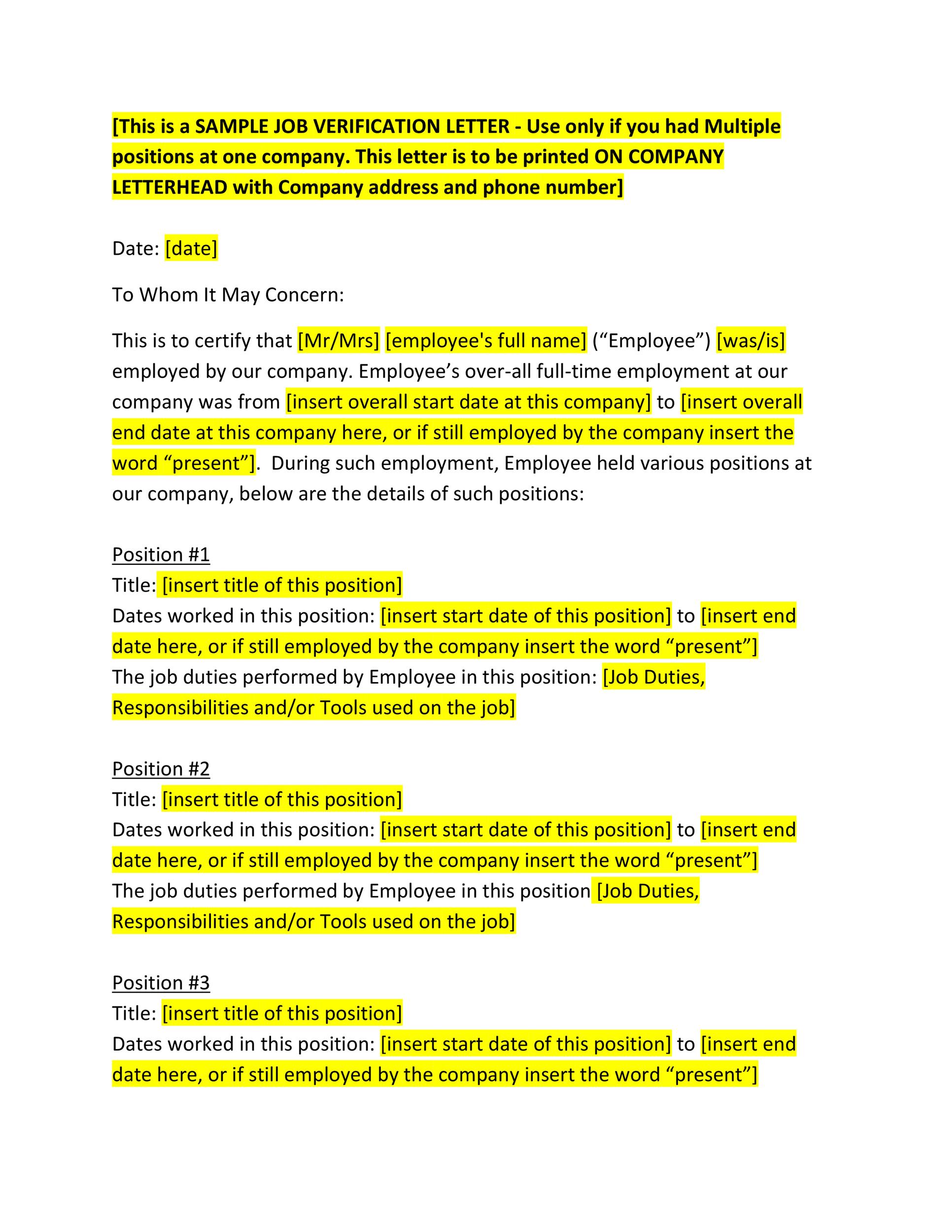
To Whom It May Concern Letter Template
They Serve As A Nominative Case (Who) Or An Objective Case (Whom) Within The Sentence Structure.
“Whom” Is An Object Pronoun, Equivalent To “Her,” “Him,” Or “They,” While “Who” Is A Subject Pronoun, Equivalent To “She,” “He,” Or “They.”
But Fear Not, We’re Here To Help Clear Up Any Confusion You May Have.
Related Post: