
Variable Templates
Variable Templates - (from [here] [1]) by the way, same goes to ${workspaceroot}, you can replace it with. Outside of stored programs, a variable, without @, is a system variable,. Very informative answer from @stej, but here is a short answer: The underscore in variable names is completely optional. I understand that the @ symbol can be used before a string literal to change how the compiler parses the string. And because integers are immutable, the only way to 'change' a variable. That's one of the design decisions. All namespace modification in python is a statement, for simplicity and consistency. The clean, reliable way to declare and define global variables is to use a header file to contain an extern declaration of the variable. I'm specifically referring to writing a stored procedure. The header is included by the one source file that defines. Among other options, you have 3 simple options to format [system.datetime] stored in a variable: Outside of stored programs, a variable, without @, is a system variable,. All namespace modification in python is a statement, for simplicity and consistency. For example i would declare var1=10 in one of the cells. That's one of the design decisions. You can define your own. And because integers are immutable, the only way to 'change' a variable. The clean, reliable way to declare and define global variables is to use a header file to contain an extern declaration of the variable. I understand that the @ symbol can be used before a string literal to change how the compiler parses the string. And because integers are immutable, the only way to 'change' a variable. (from [here] [1]) by the way, same goes to ${workspaceroot}, you can replace it with. For example i would declare var1=10 in one of the cells. The underscore in variable names is completely optional. Very informative answer from @stej, but here is a short answer: For example i would declare var1=10 in one of the cells. (from [here] [1]) by the way, same goes to ${workspaceroot}, you can replace it with. All namespace modification in python is a statement, for simplicity and consistency. Outside of stored programs, a variable, without @, is a system variable,. I'm specifically referring to writing a stored procedure. But what does it mean when a variable name is prefixed with. Outside of stored programs, a variable, without @, is a system variable,. Is it possible to declare variables in excel cells and use them as parameters for formulas in other cells? The header is included by the one source file that defines. (from [here] [1]) by the way,. All namespace modification in python is a statement, for simplicity and consistency. (from [here] [1]) by the way, same goes to ${workspaceroot}, you can replace it with. Among other options, you have 3 simple options to format [system.datetime] stored in a variable: But what does it mean when a variable name is prefixed with. Can anyone explain to me what. I understand that the @ symbol can be used before a string literal to change how the compiler parses the string. The header is included by the one source file that defines. For example i would declare var1=10 in one of the cells. Can anyone explain to me what the differences are between set, let and declare variables in snowflake?. But what does it mean when a variable name is prefixed with. I'm specifically referring to writing a stored procedure. Outside of stored programs, a variable, without @, is a system variable,. (from [here] [1]) by the way, same goes to ${workspaceroot}, you can replace it with. Among other options, you have 3 simple options to format [system.datetime] stored in. (from [here] [1]) by the way, same goes to ${workspaceroot}, you can replace it with. For example i would declare var1=10 in one of the cells. The clean, reliable way to declare and define global variables is to use a header file to contain an extern declaration of the variable. And because integers are immutable, the only way to 'change'. The underscore in variable names is completely optional. Very informative answer from @stej, but here is a short answer: You can define your own. All namespace modification in python is a statement, for simplicity and consistency. That's one of the design decisions. The clean, reliable way to declare and define global variables is to use a header file to contain an extern declaration of the variable. But what does it mean when a variable name is prefixed with. All namespace modification in python is a statement, for simplicity and consistency. You can define your own. The underscore in variable names is completely. I understand that the @ symbol can be used before a string literal to change how the compiler parses the string. Outside of stored programs, a variable, without @, is a system variable,. The clean, reliable way to declare and define global variables is to use a header file to contain an extern declaration of the variable. Is it possible. Outside of stored programs, a variable, without @, is a system variable,. For example i would declare var1=10 in one of the cells. Very informative answer from @stej, but here is a short answer: The underscore in variable names is completely optional. The header is included by the one source file that defines. But what does it mean when a variable name is prefixed with. (from [here] [1]) by the way, same goes to ${workspaceroot}, you can replace it with. You can define your own. That's one of the design decisions. I understand that the @ symbol can be used before a string literal to change how the compiler parses the string. Among other options, you have 3 simple options to format [system.datetime] stored in a variable: I'm specifically referring to writing a stored procedure. Can anyone explain to me what the differences are between set, let and declare variables in snowflake?
C++ Variable Templates A Gentle Introduction StudyPlan.dev
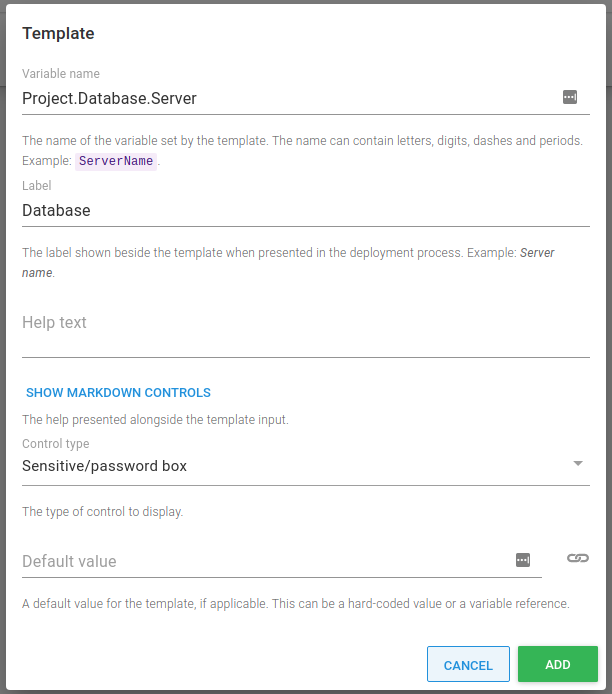
Variable templates Documentation and Support
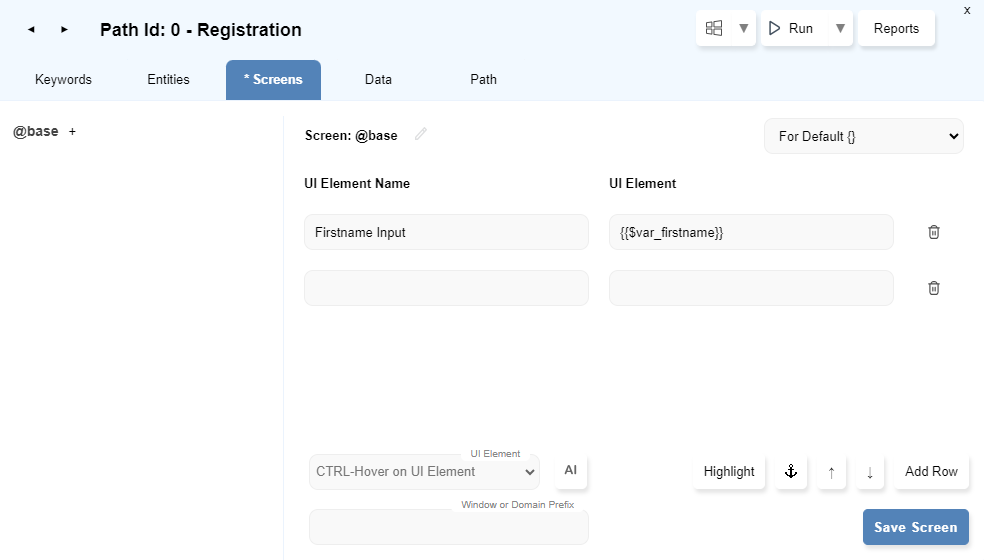
Variable Templates Sahi Pro

Variable Templates with Custom Types StudyPlan.dev
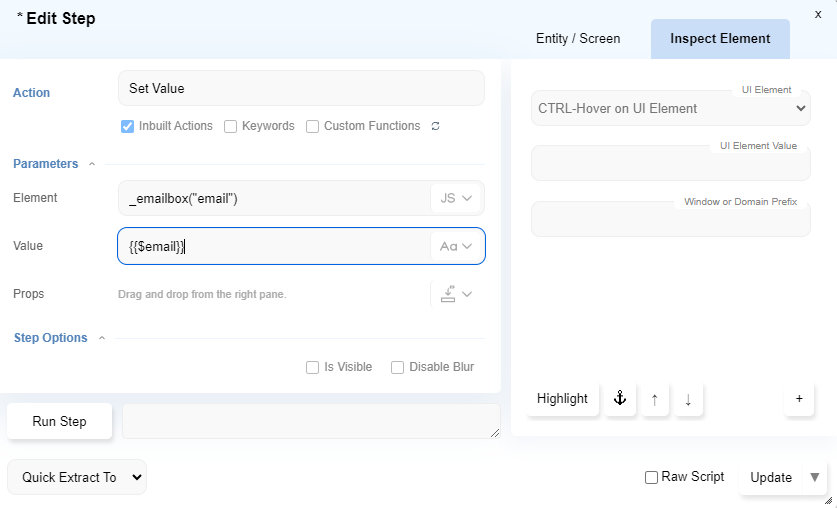
Variable Templates Sahi Pro
GitHub AzureSamples/azurepipelinesvariabletemplates This sample

Variable
Creating variable templates Learn WordPress
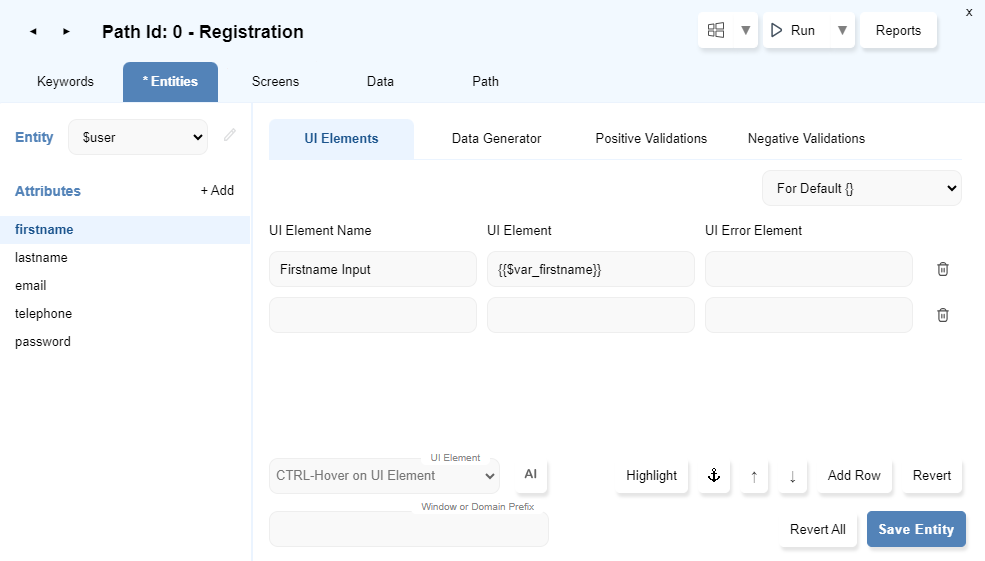
Variable Templates Sahi Pro
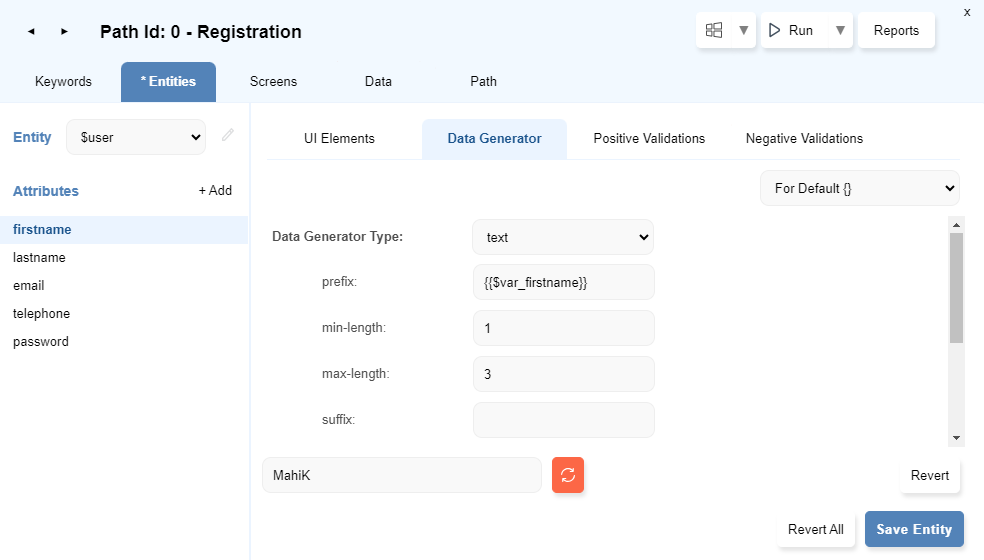
Variable Templates Sahi Pro
The Clean, Reliable Way To Declare And Define Global Variables Is To Use A Header File To Contain An Extern Declaration Of The Variable.
Is It Possible To Declare Variables In Excel Cells And Use Them As Parameters For Formulas In Other Cells?
And Because Integers Are Immutable, The Only Way To 'Change' A Variable.
All Namespace Modification In Python Is A Statement, For Simplicity And Consistency.
Related Post: